Electronics

Scales that run on their own, every load cell under control

The electronics of Modul WTS railcar scales are developed in-house. The signal of every load cell is digitised inside the weighing platform by its own 24-bit ADC, while the WT-01L weight terminal processes the digital data, performs static and in-motion weighing, stores weighing records and passes results to the plant's accounting systems. No PC is needed in the measuring chain.

The electronics is built on proven industrial components from leading manufacturers: 24-bit AD7195 ADCs (Analog Devices), TRACO POWER DC/DC converters (Switzerland) and a passively cooled industrial processor — no fans and no moving parts. Power circuits and communication lines are galvanically isolated and protected against lightning surges.

Static and in-motion weighingA dedicated ADC per load cellRS485 up to 1200 mSurge protection and galvanic isolationReady in 8 s
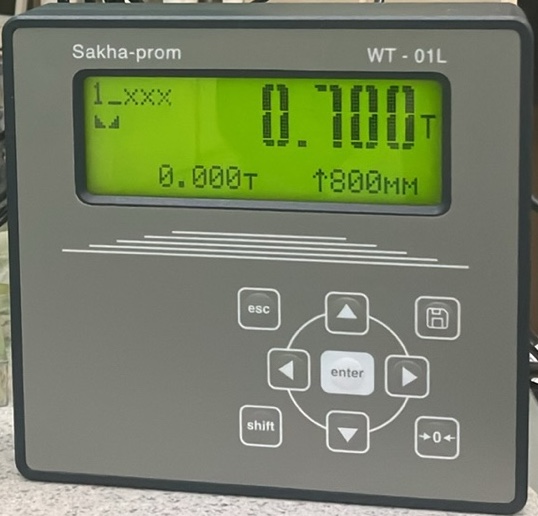
WT-01L weight terminal
Comparison

How it differs from a typical weight terminal

On most railcar scales the signals of all load cells in a platform are summed in a junction box and reach an analogue weight indicator as a single channel. The scheme is simple, but it cannot monitor an individual load cell, is sensitive to interference on long cable runs and is usually limited to static weighing.

ParameterTypical analogue terminalSakha-prom electronicsWhat the customer gets
Measuring channelOne analogue channel per platform: load cells are summed in a junction boxA separate channel and 24-bit ADC for every load cell, digitised inside the platformFast fault finding on the scales — a faulty load cell is identified from its own readings
Link to the platformMillivolt-level analogue signal, sensitive to interference and cable lengthDigital RS485 interface up to 1200 m, galvanic isolation, surge protectionFreedom in siting the weighing room, stable readings near traction substations and in thunderstorm season
Weighing modesUsually static only; in-motion weighing needs a separate controller or PCStatic and in-motion weighing up to 12 km/h in one terminalTrains weighed without uncoupling and without extra equipment
Platform controlUsually all platforms work as a single scaleUp to 4 platforms; only the platforms under the bogies of the railcar being weighed are includedRailcars of different wheelbases are weighed without uncoupling, with less shunting
Railcar parametersMass onlyCentre-of-gravity offset, wheelbase, position on the scales, bogie mass differenceControl of uneven loading and transport safety
Data storageLimited memory, archive on an external PCWeighing records for the last year, real-time clock and event log inside the terminalResults survive a PC failure; disputes are settled from the archive
Integration and serviceProprietary protocol, middleware requiredBuilt-in web server, MODBUS TCP, JSON APIConnection to control and accounting systems without custom development, remote diagnostics without a site visit
Terminal replacementUsually requires recalibration on siteCalibration parameters and settings are transferred to the new terminalMinimal scale downtime when equipment is replaced

The comparison refers to typical analogue weight indicators used on railcar scales; specifications of individual models may differ.

Platform control

Railcars of any wheelbase — no uncoupling

The terminal controls a group of up to four weighing platforms. When a railcar is weighed, only the platforms under its bogies are included in the measurement, while platforms under the car body and under the bogies of neighbouring railcars are switched off. The railcar mass is determined precisely, and the neighbouring railcars do not have to be uncoupled or moved off the scales.

P1P2P3P4inter-platformsectionRailcar being weighedNeighbouring railcar
Platform on — under a bogie of the railcar being weighedPlatform off — under the car body or a neighbouring railcar's bogie
01

One system for the whole fleet

4-, 6- and 8-axle railcars of different wheelbases are weighed on the same scales: the platform set is matched to the wheelbase.

02

Automatic or manual selection

The terminal selects the platforms used for weighing automatically or on the operator's command from the keypad.

03

Less shunting

The train does not have to be uncoupled or rearranged: delivery is processed faster and the locomotive and shunting crew carry less load.

How to match platforms to your railcar fleet — interactive positioning diagram →

Functional capabilities

Weight terminal and measuring controller

The WT-01L terminal and the measuring controller work as a single digital system: the controller digitises the signal of every load cell inside the platform, while the terminal processes the data, stores the weighing records and links the scales to the plant's accounting system.

Weighing modes

One set of electronics for static and in-motion weighing.

  • Static weighing of railcars
  • In-motion weighing without uncoupling at speeds up to 12 km/h
  • Weighing per railcar and per bogie

Platform control

The scales adapt to the railcar, not the other way round.

  • Support for up to 4 weighing platforms
  • Automatic and manual selection of the platforms used for weighing
  • Railcars with different wheelbases are weighed without uncoupling

More than weight

The terminal analyses the railcar, not just its mass.

  • Longitudinal and lateral centre-of-gravity offset — a check on transport safety
  • Railcar wheelbase measurement
  • Railcar position on the scales

Digital measuring chain

Every load cell is a separate measuring channel.

  • A separate channel and a dedicated 24-bit AD7195 ADC (Analog Devices) for every load cell
  • Diagnostics of every load cell individually — fast fault finding on the scales
  • RS485 link to the platform, line length up to 1200 m
  • Galvanic isolation and built-in surge protection of power circuits and the communication line

Connectivity and remote access

The scales fit into the plant's infrastructure.

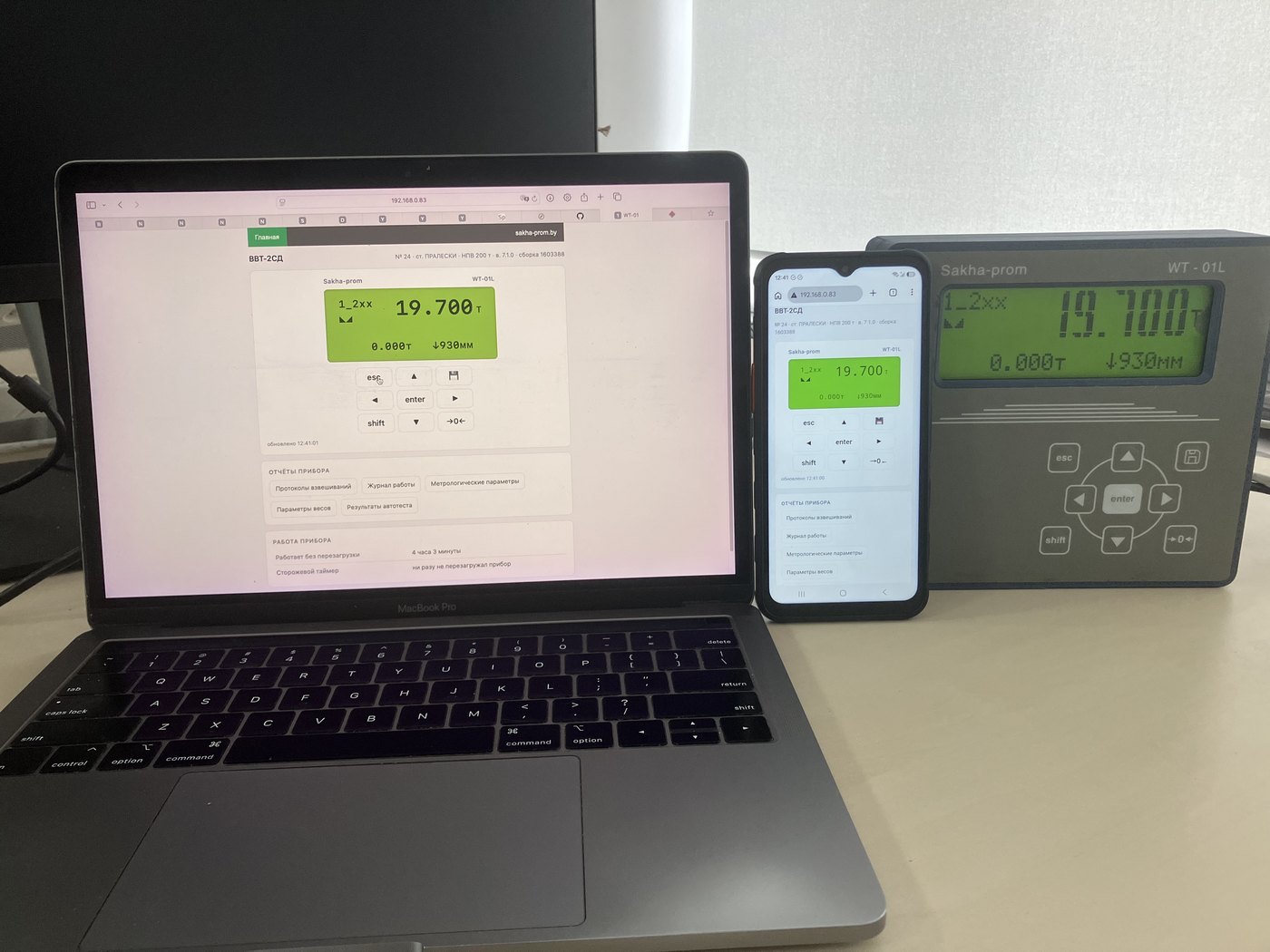
  • Built-in web server: weighing records, parameters, logs and remote control of the terminal from a browser
  • Ethernet (TCP/IP) and MODBUS TCP for integration with control and accounting systems
  • RS232 and USB for a PC and peripherals
  • External keyboard: GPIO keypad or USB keyboard

Reliability and record keeping

Data is kept safe and the instrument runs unattended.

  • Weighing record archive for 1 year
  • Real-time clock: every record carries an exact date and time
  • A watchdog timer automatically restores operation after a failure
  • Industrial-grade components: a passively cooled processor and TRACO POWER power converters
Architecture

How the measuring chain is built

01

Load cell

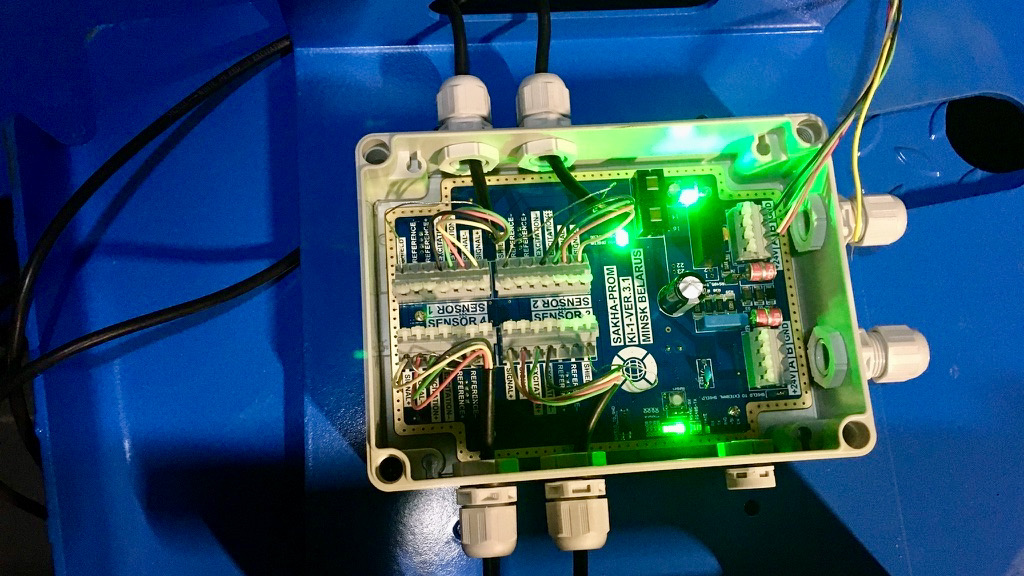
Four load cells per platform. The analogue signal is taken from each cell separately.

02

Measuring controller

One per platform, mounted inside it. It digitises the signal with a dedicated ADC for every load cell.

03

RS485 line

Digital transmission over up to 1200 m between the platform and the weight terminal.

04

Weight terminal

One per scale. It runs the main scale program, controls the platforms and links to the PC and the hardware-and-software system.

WT-01L weight terminal
Weight controller

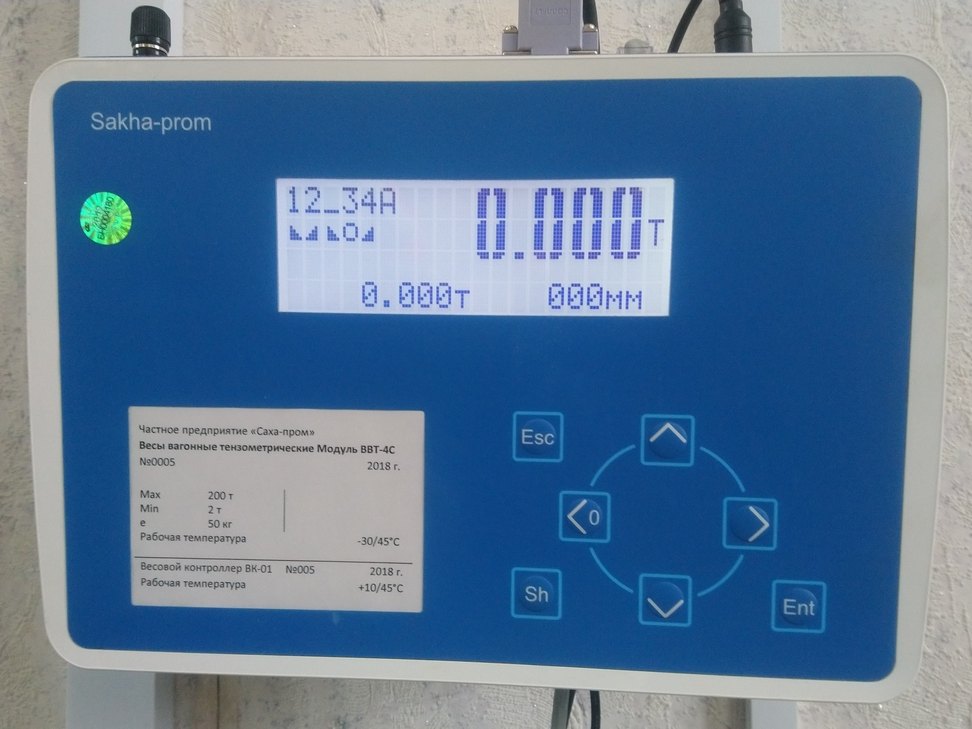
ВК-01 / WT-01L weight terminal

It communicates with the platforms and load cells and diagnoses the platform and every channel automatically or manually. The compute module is an industrial processor with passive cooling, 512 MB RAM and eMMC storage; the terminal holds the main scale program.

  • Keypad: membrane; external GPIO keypad and USB keyboard supported
  • Display: LCD, 4 lines
  • Menu modes: weighing, diagnostics, setup, calibration
  • Interfaces: RS232 (up to 3 ports), RS485, Ethernet, USB
  • Protocols: command interface, MODBUS TCP, web interface (HTTP)
  • Filtering: built-in filtering of vibration and load cell signals
  • Operating temperature: -10…+45 °C, extended when installed in the climate-controlled cabinet of the hardware-and-software system
  • Ingress protection: IP40
  • Platform control: up to 4 platforms in static mode, up to 3 in motion

The terminal logs errors and operator actions. After calibration every parameter and setting is stored and can be restored in a replacement terminal. External diagnostics and control run over RS232 or Ethernet through the hardware-and-software system: platform, load cell and temperature status is visible per channel. The calibration is protected against changes. Ready to weigh about 8 seconds after power-on.

Measuring controller

Signal digitised inside the platform

It sits inside the load-receiving platform, one per platform. Every load cell has its own AD7195 ADC (Analog Devices). The controller carries a microcontroller for primary signal processing and a temperature sensor that compensates the temperature error of the cells.

  • Ingress protection: up to IP65
  • Surge protection: built in
  • Power supply: 9–36 V from the weight controller
  • Communication interface: RS485, line length up to 1200 m
  • Isolation: galvanic on the power and communication lines
  • ADC type: AD7195, one per load cell
  • Load cell excitation: AC voltage
Load cell
Primary transducer

Load cell

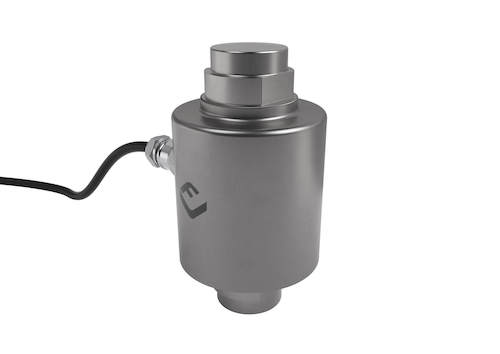
A stainless steel column-type cell with a large overload reserve. It is fitted between the upper platform and the lower frame; verticality is set with dedicated equipment.

  • Ingress protection: IP68 / IP69K
  • Material: 17-4 PH stainless steel
  • Safe overload: 200%
  • Ultimate load: 300%
  • Cable: protected by flexible metal conduit
  • Quantity: 4 pcs per load-receiving platform
Terminal embedded software

A Linux system that lives in RAM

The terminal runs an in-house embedded Linux build: at power-on it loads entirely into RAM, while the firmware image on the drive stays read-only and cannot be corrupted during operation or by a sudden power loss.

A hardware watchdog timer restarts the unit if the scale program stops responding. Protocols, logs, sensor readings and metrology data can be viewed (read-only) in any browser — the built-in web server needs no internet connection or installed software, and weighing data can also be read programmatically, through the RailScaleModule system, a JSON API and MODBUS TCP.

Up to 4 platforms
On-board web server
Static and in-motion weighing
Industrial reliability standards
Load-cell diagnostics
Event history
Weighing records kept for the last year
RS232, Ethernet and USB interfaces
External GPIO and USB keyboard
Reliability

Reliable, trustworthy measurement

Temperature compensation

A temperature sensor in every measuring controller keeps the readings from drifting between -40 and +45 °C.

Immunity to interference

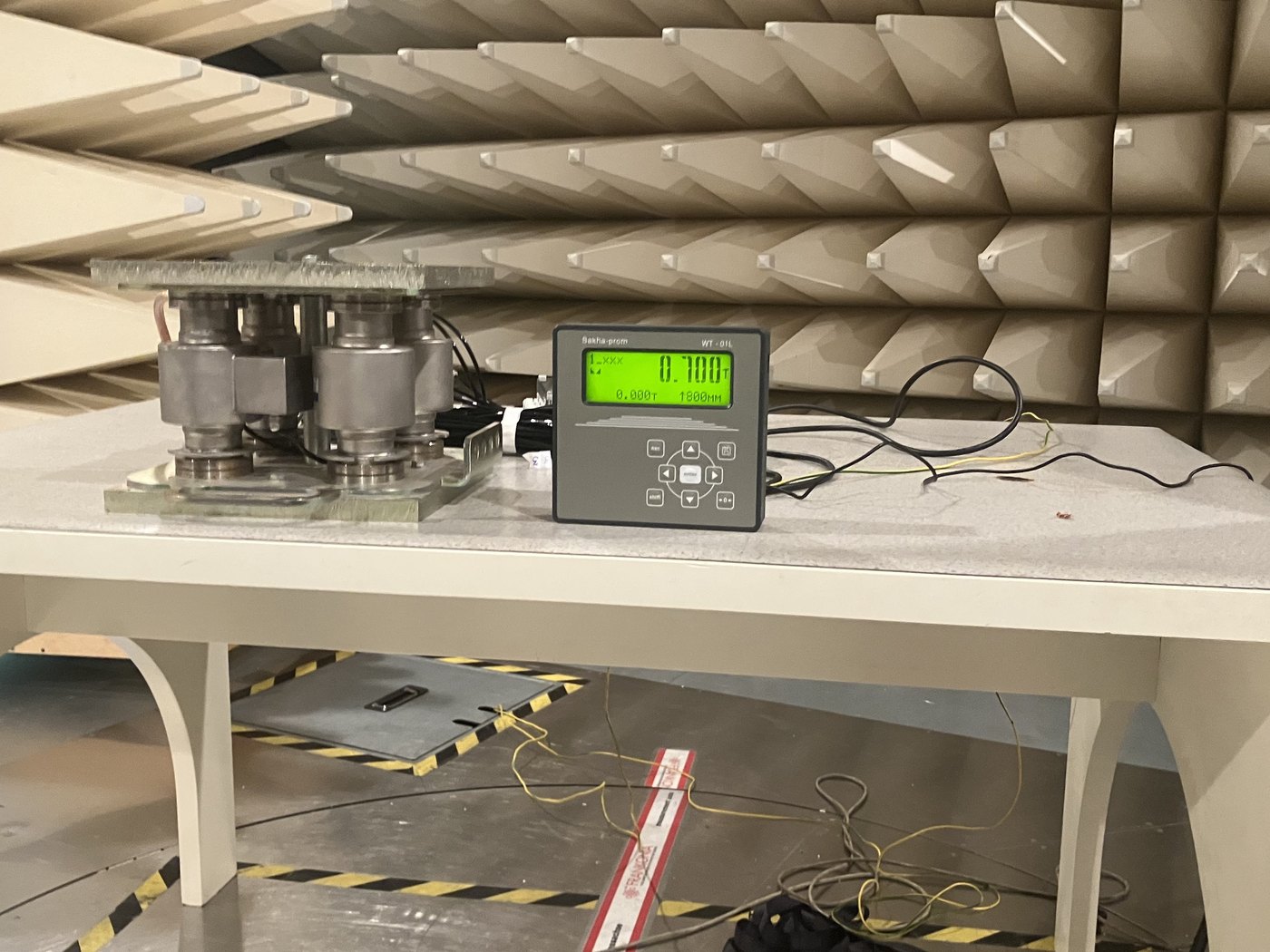
Digital transmission removes electromagnetic pickup — critical near traction substations. Electromagnetic compatibility is confirmed by testing to TR CU 020/2011.

Surge protection and isolation

All of the scale electronics has built-in protection against lightning surges, while galvanic isolation of power circuits and the communication line shields the measuring chain from interference and ground-loop currents.

Type-approved and certified

Modul WTS scales are listed in the state register of measuring instruments: a type-approval certificate, tested to GOST OIML R 76-1-2011 and GOST 8.647-2015. Average service life is at least 15 years.

Automation in motion

The terminal detects the locomotive and excludes its mass, counts the railcars and records the speed, number of axles and bogie mass difference of every railcar — with no uncoupling.

Tamper protection

Weighing results are stored in a protected database with date and time stamps. Access to calibration is sealed, and a calibration counter records every change of parameters.

In operation

The terminal under test and in service

WT-01L terminal web interface on a laptop and a smartphone next to the instrument

Web interface: readings on a laptop and a smartphone

WT-01L terminal and load cells during EMC testing in an anechoic chamber

Electromagnetic compatibility testing

ВК-01 weight controller of Modul WTS scales

ВК-01 weight controller

We will match the configuration to your site

The electronics is supplied installed in the scales: platforms arrive on site fully assembled with load cells, stops and electronics. We select the number of platforms, weighing modes and accounting-system integration to suit your railcar fleet and accounting practice.

Request a quotation

Modul WTS railcar scales →